

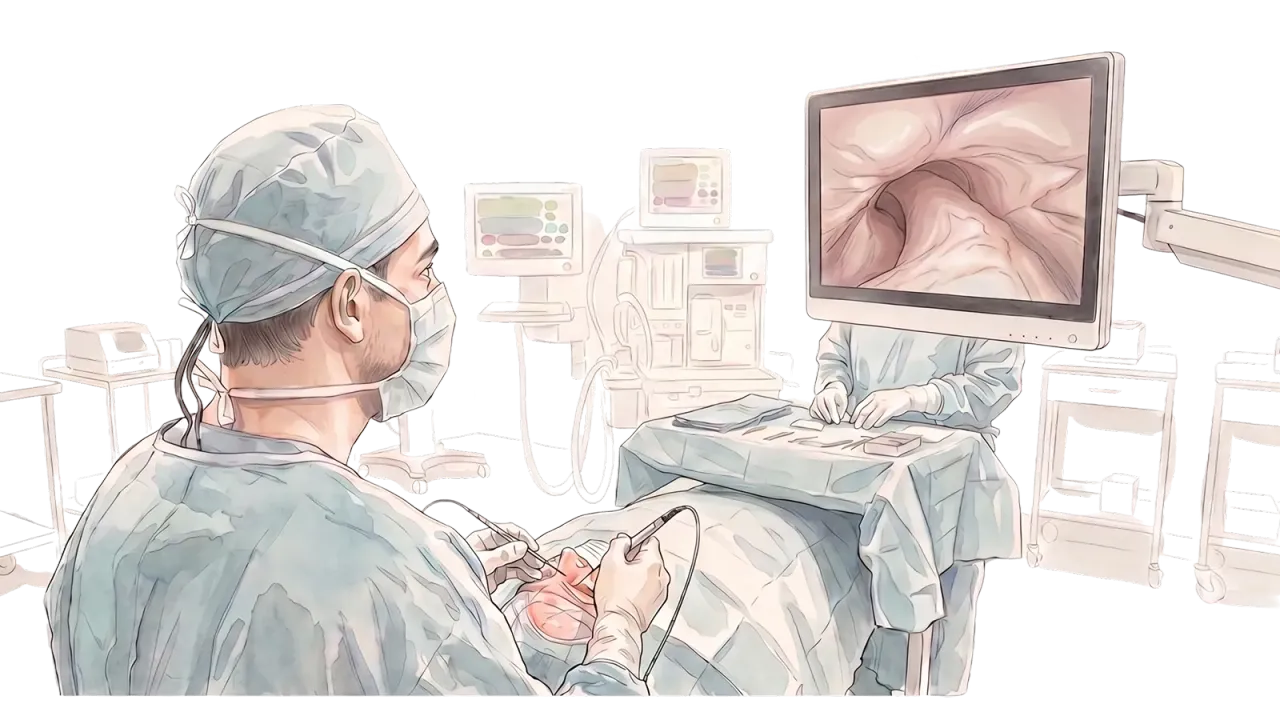
Endoscopic delivery.
QSCOPE, a single-use endoscopic system designed for the high turnover workflow.
Medical Device · Glaucoma
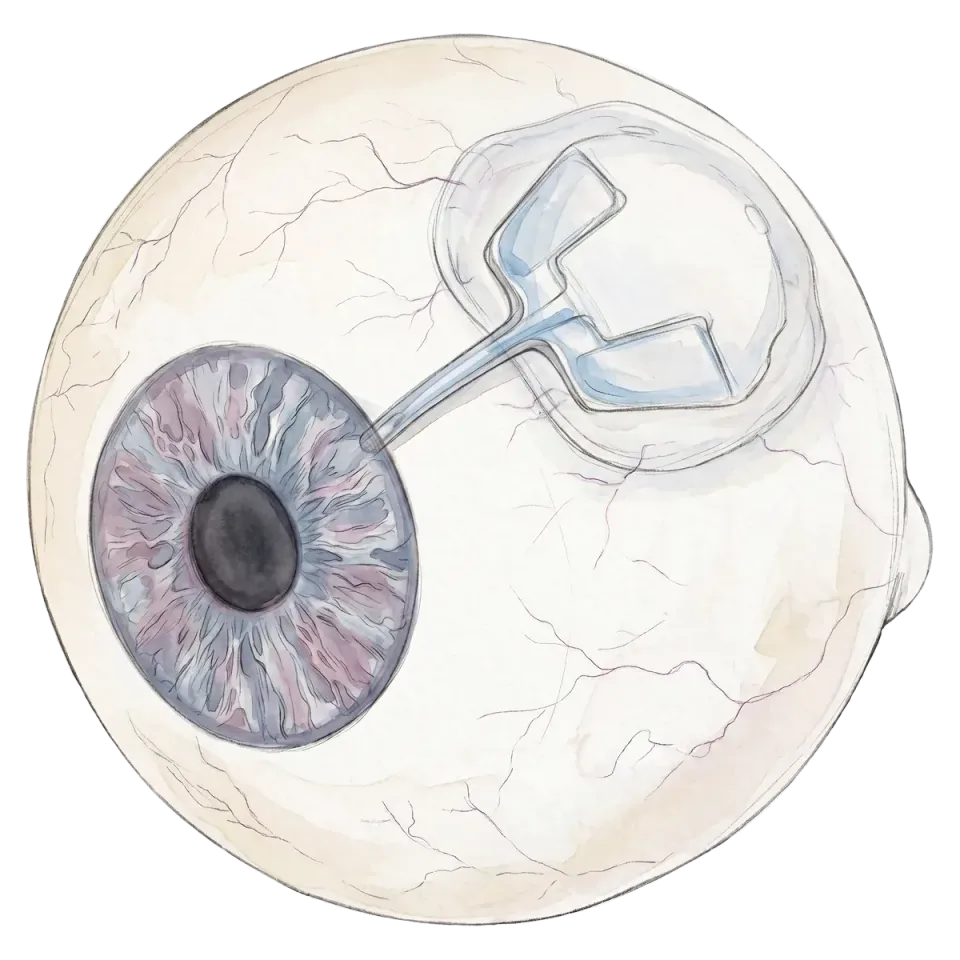
QMAX is the first implant built to treat it that way.
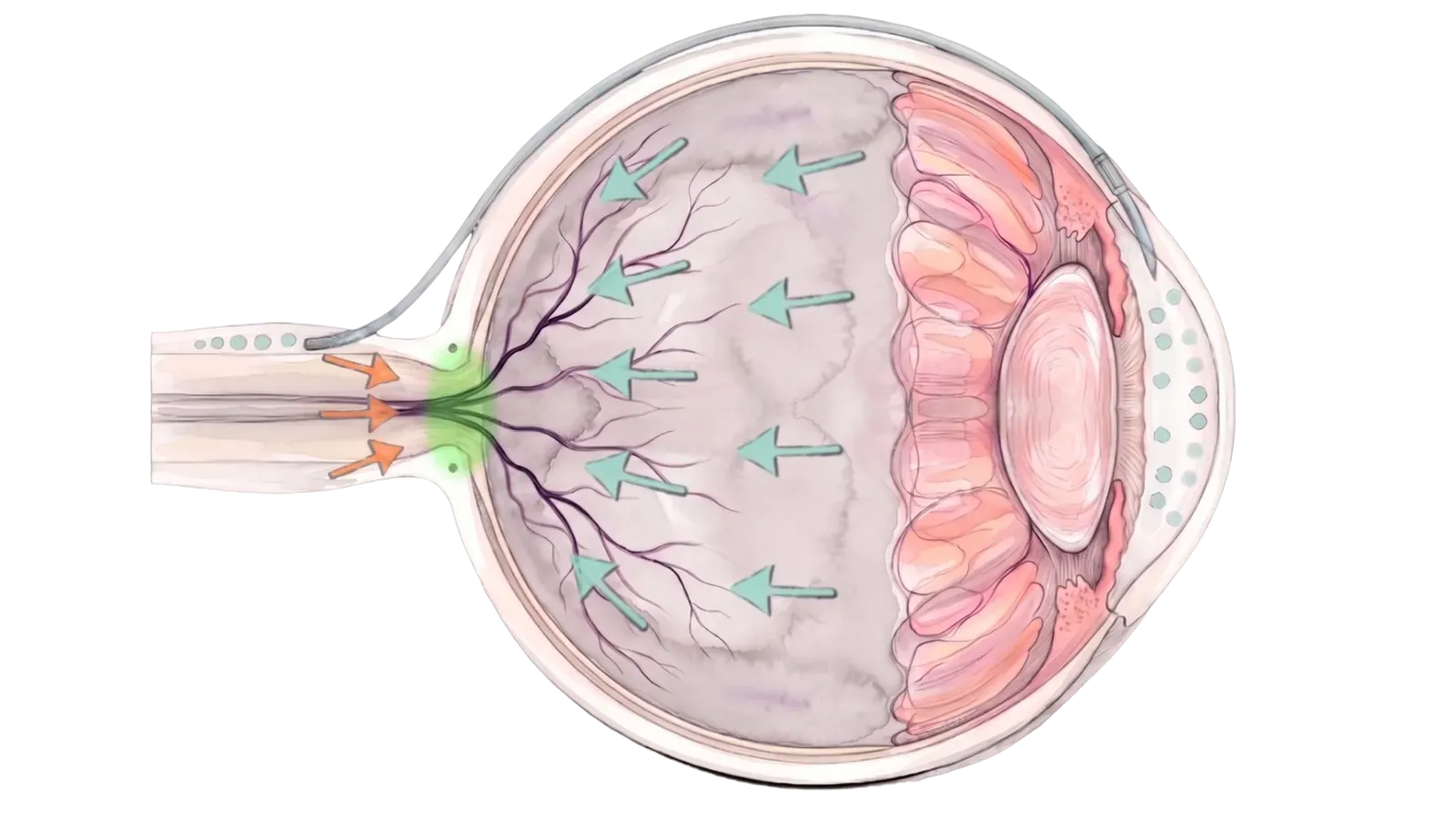
Translaminar gradientTranslaminar pressure gradientThe pressure difference across the optic nerve head between IOP and ICP. A sustained gradient strains nerve fibers.
The pressure difference between IOP and ICP drives optic nerve damage in glaucoma

A permanently implanted, bleb-free, micro-shunt designed to relieve the strain on the optic nerve by equalizing the pressure difference over the optic nerve headOptic Nerve HeadWhere ICP and IOP act on the optic nerve fibers as they exit the eye, addressing the underlying mechanism behind vision loss in glaucoma.
QSCOPE, a single-use endoscopic system designed for the high turnover workflow.
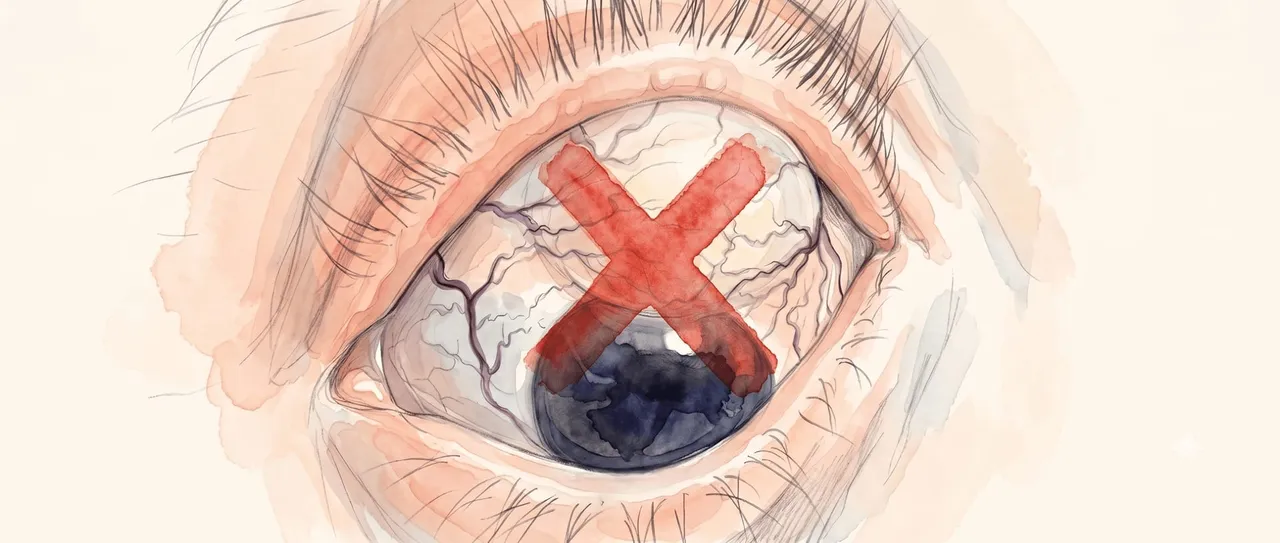
A closed pathway, with no bleb to manage or revise.
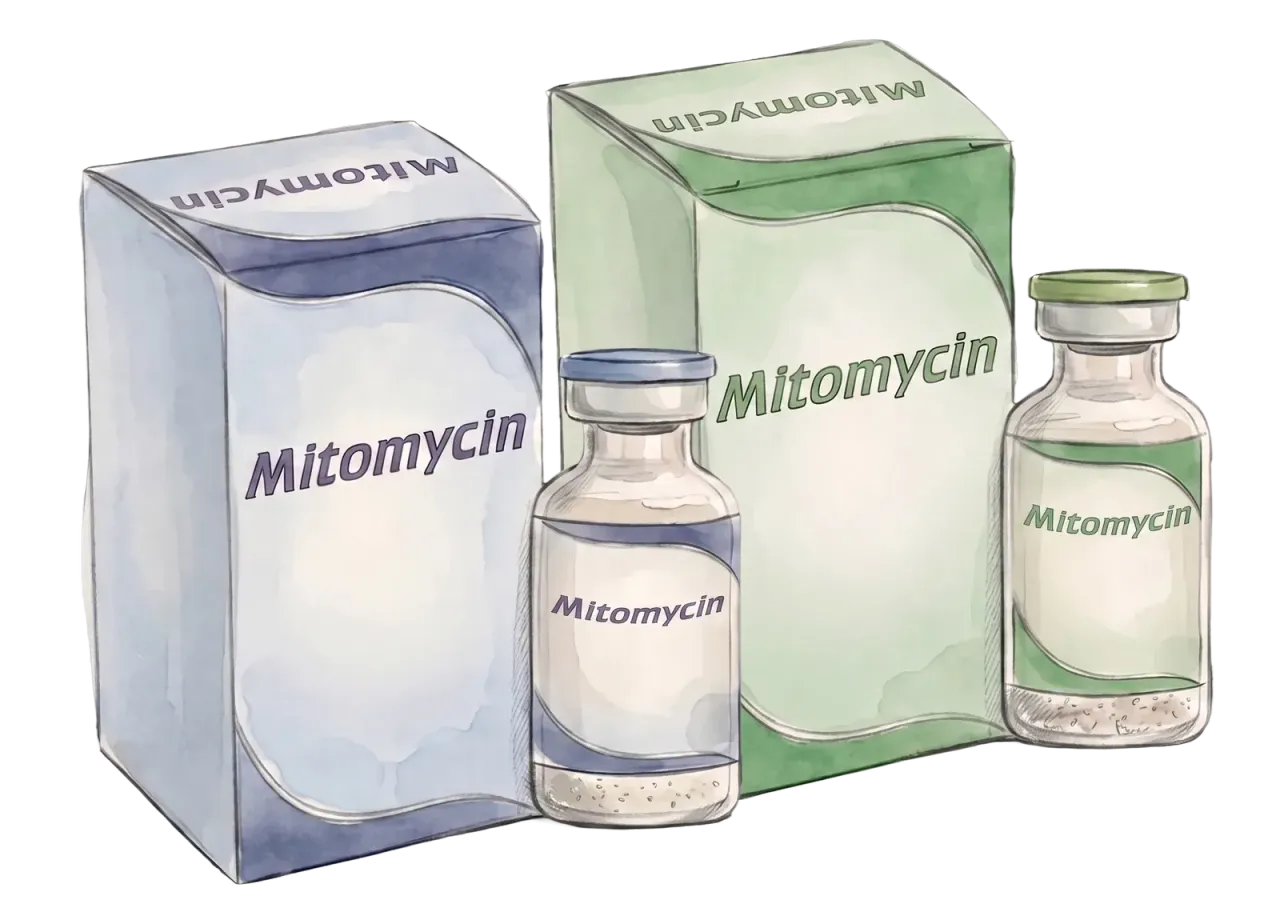
No reliance on mitomycin C or anti-scarring agents.
Worldwide, over 80 million people live with glaucoma. Today's surgeries and drugs aim to lower eye pressure, and yet vision loss continues.
Healthy Visual Field
80M+
people living with glaucoma globally
1 in 4
patients will go blind in at least one eye from glaucoma
Glaucoma damages vision when sustained pressure strains the optic nerve headOptic Nerve HeadWhere ICP and IOP act on the optic nerve fibers as they exit the eye. Fluid pressure inside the eye (IOPIntraocular PressurePressure inside the eye, pushing outward against the optic nerve head) and fluid pressure around the optic nerve (ICPIntracranial PressurePressure from cerebrospinal fluid behind the eye, pushing forward against the optic nerve head) both matter. When the translaminar gradientTranslaminar pressure gradientThe pressure difference across the optic nerve head between IOP and ICP. A sustained gradient strains nerve fibers. between them stays elevated, nerve fibers are damaged and sight is lost, even when eye pressure looks acceptable on its own. Treating IOPIntraocular PressurePressure inside the eye, pushing outward against the optic nerve head alone leaves half the equation untouched. Over the past decade, the field has increasingly converged on this gradient as a primary driver of vision loss, and QMAX is built to address it directly.
Inside the eye
The pressure inside the eye.
 IOP
IOPAround the optic nerve
The pressure in the fluid space around the optic nerve.
 ICP
ICPGlaucoma is often called the silent thief of sight because it can progress with few or no early symptoms. Peripheral vision may narrow first; over time, untreated disease can lead to tunnel vision and irreversible blindness. Regular eye exams are essential because damage can occur before a person notices vision loss.



Most care today lowers IOPIntraocular PressurePressure inside the eye, pushing outward against the optic nerve head with eye drops, laser therapy, or surgery such as trabeculectomy, tube shunts, and MIGS devices. These approaches can slow progression, but they focus on pressure inside the eye, not the full pressure difference across the optic nerve headOptic Nerve HeadWhere ICP and IOP act on the optic nerve fibers as they exit the eye that drives nerve strain.
50%
of tube shunt devices fail within the first five years
50%
of patients self discontinue Topical IOP lowering medication after 6 months.

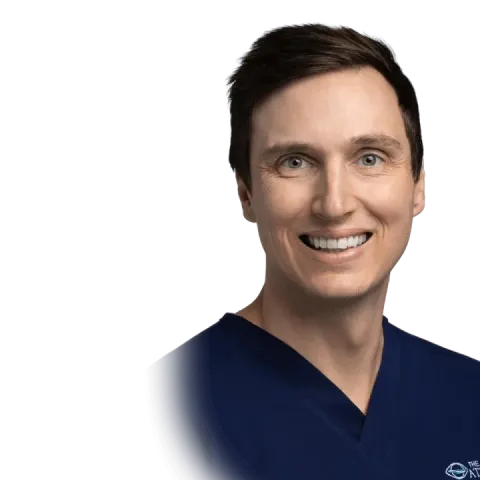
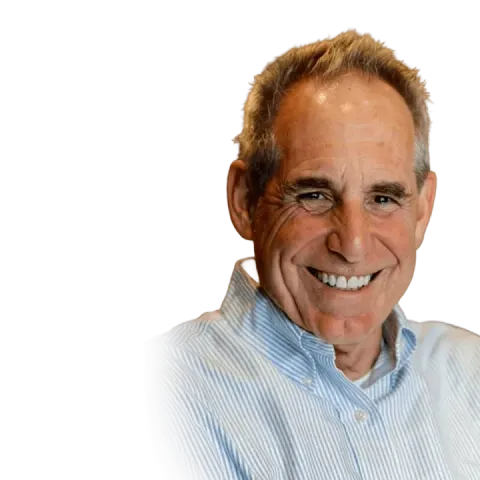
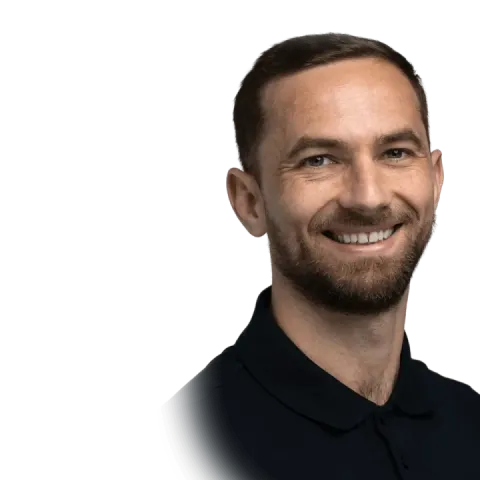
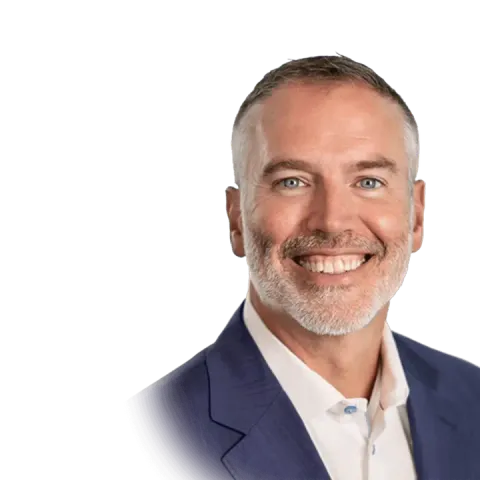
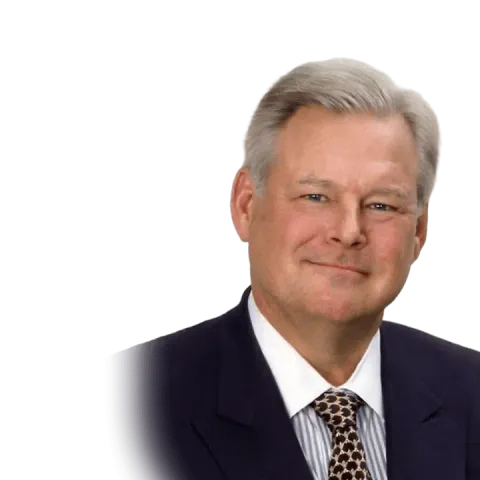
LIQID (est. 2017) is led by a glaucoma surgeon-founder and a multidisciplinary team across biomedical engineering, clinical research, regulatory, and quality.
CEO
Incoming CMO
COO

CSO

CTO
Chairman
Director
Director
Director

Director

Director
Duke Eye Centre

Moorfields Eye Hospital

Prism Eye Centre
Atlanta Ophthalmology Associates
Bascom Palmer Eye Institute
Minnesota Eye Consultants
Headquarters: Minneapolis, Minnesota, United States.




QMAX targets the translaminar pressure gradient at the optic nerve head, providing neuroprotection, not just IOP reduction. We're advancing toward US clinical milestones. If that thesis fits yours, we want to talk.
Open an investor conversationSurgical innovators, distributors, and strategics: QMAX is built for the high turnover workflow and the next paradigm of glaucoma care.
Discuss partnership